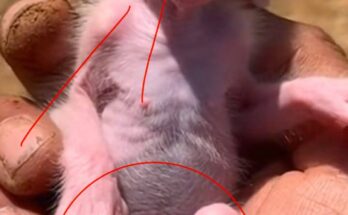
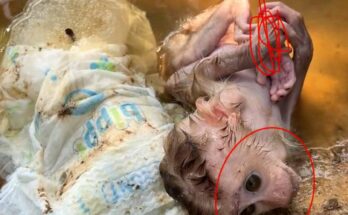
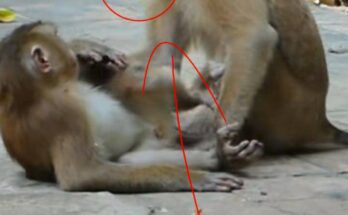
These monkeys had once leaped freely from branch to branch, their playful chatter filling the air. But fate had been cruel. Some had fallen during violent storms, others were hurt while escaping predators, and a few bore injuries caused by human interference—traps, sharp debris, or destroyed habitats. Torn fur, limping legs, and fearful eyes showed how fragile their lives had become overnight. Every movement seemed to cost them strength, yet they refused to give up.
One small monkey, barely grown, dragged an injured arm as it followed its mother. The mother, herself wounded, never stopped looking back to ensure her baby was close. Even in pain, her instinct to protect was stronger than her suffering. She searched tirelessly for food, sharing whatever little she found, proving that love and responsibility do not disappear even in the darkest moments.
Another older monkey sat quietly on a low branch, its breathing slow and heavy. Once a leader of the troop, it had guided others to safety and food. Now injured and weak, it still watched over the group with alert eyes. Though its body was failing, its spirit remained strong, showing that dignity does not fade with injury.
Survival for these monkeys was no longer about comfort or freedom—it was about endurance. Each day brought new challenges: finding food with injured limbs, avoiding danger without full strength, and enduring pain without understanding why it happened. Rain soaked their wounds, hunger weakened their bodies, and fear followed them constantly. Still, they adapted, helping one another in small but meaningful ways—sharing warmth, warning of danger, and staying together.
What makes their story even more pitiful is that much of their suffering could have been avoided. Deforestation had reduced their shelter. Human expansion had pushed them into unsafe areas. The forest that once protected them had become a battlefield. These monkeys were not fighting for dominance or territory; they were simply fighting to live another day.
Yet, despite everything, hope quietly survived among them. Wounds began to heal slowly. The group learned new ways to move, to forage, to protect one another. Their eyes, though tired, still held determination. Life had hurt them deeply, but it had not defeated them.
Their struggle is a silent cry for compassion. It reminds us that animals feel pain, fear, and loss just as deeply as humans do. The injured monkeys did not ask for sympathy, only a chance to survive. Their story urges us to protect wildlife, to respect nature, and to understand that survival should not come at such a heartbreaking cost.