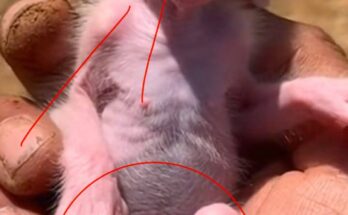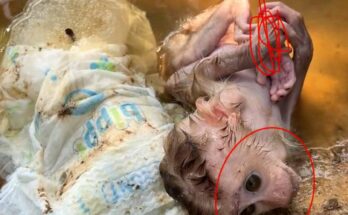
Newborn monkeys, like human babies, are very vulnerable during the first weeks of life. Their bodies are still developing, and they rely heavily on their mothers and environment to stay healthy. Unfortunately, many factors can cause newborn monkeys to become sick. These factors usually fall into five main categories: weak immune systems, poor nutrition, environmental conditions, infections, and problems with maternal care. Understanding these causes is important for protecting newborn monkeys in the wild, zoos, and research settings.
One major reason newborn monkeys become sick is their underdeveloped immune system. At birth, a baby monkey’s immune defenses are not fully formed, which makes it harder for their body to fight off germs. Newborn monkeys depend on antibodies they receive from their mother, especially through breast milk. If the mother is unhealthy or unable to produce enough milk, the baby may not receive enough immune protection. As a result, even mild infections can become serious and dangerous for the newborn.
Poor nutrition is another important factor that affects newborn monkey health. Breast milk provides essential nutrients that help babies grow and strengthen their immune systems. If a mother is malnourished, stressed, or ill, the quality and quantity of her milk may decrease. In some cases, the baby may not feed properly due to weakness or separation from the mother. Without enough nutrients, newborn monkeys can suffer from slow growth, weakness, dehydration, and a higher risk of disease.
The environment also plays a big role in whether newborn monkeys stay healthy. Extreme temperatures, high humidity, poor sanitation, or overcrowded living conditions can increase the chances of illness. Cold environments can lead to hypothermia, while very hot conditions can cause dehydration and heat stress. Dirty surroundings allow bacteria and parasites to spread more easily, especially among newborns who often lie on the ground or cling closely to others.
Infections and parasites are another common cause of sickness in newborn monkeys. Bacterial, viral, and fungal infections can be transmitted through contact with other monkeys, contaminated food or water, or unsanitary living areas. Parasites such as worms or mites can weaken a newborn’s body by stealing nutrients and causing irritation or anemia. Because newborn monkeys are so fragile, infections that might not seriously affect adult monkeys can be life-threatening to infants.
Problems with maternal care can also lead to illness in newborn monkeys. A healthy bond between the mother and infant is essential. If the mother is inexperienced, stressed, or rejected by the group, she may neglect her baby. This can result in lack of feeding, poor warmth, or exposure to danger. In some cases, mothers may accidentally injure their newborns or fail to protect them from aggressive group members.
In conclusion, newborn monkeys become sick due to a combination of biological and environmental factors. Weak immune systems, poor nutrition, harsh environments, infections, and lack of proper maternal care all increase the risk of illness. Protecting newborn monkeys requires healthy mothers, clean and safe environments, and careful monitoring, especially during the early stages of life. By understanding these factors, humans can better support monkey populations and improve survival rates for these vulnerable newborns.