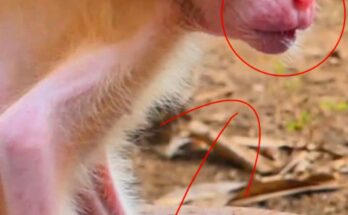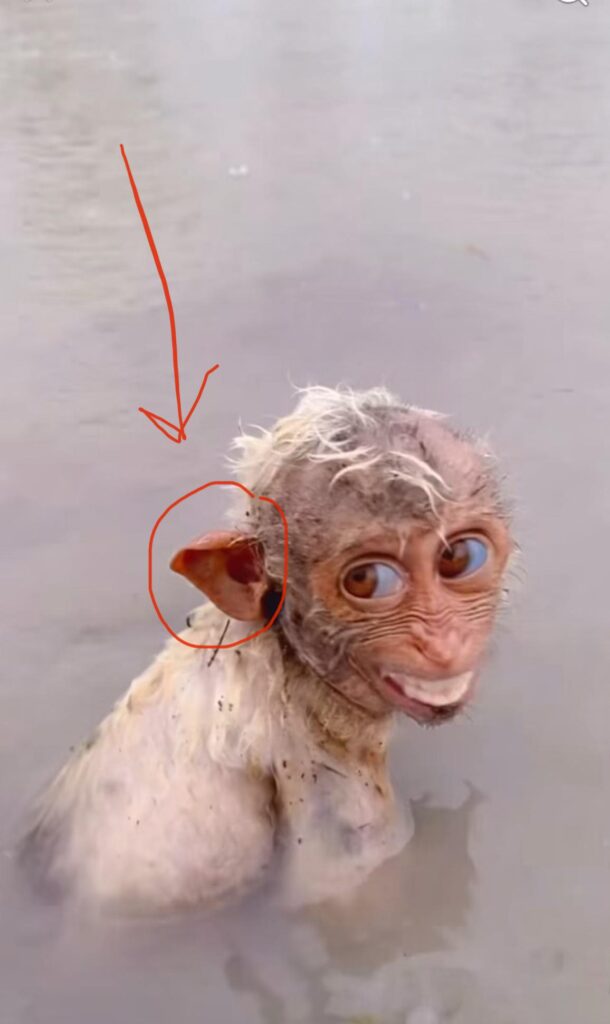
Baby monkeys are usually covered in soft fur that helps protect them from the environment and keeps them warm. However, in some cases, baby monkeys can lose part or even most of their fur. This condition can be concerning to researchers and caretakers, as fur plays an important role in a monkey’s health and survival. Several problems can cause fur loss in baby monkeys, including health issues, environmental factors, stress, and nutritional problems.
One major cause of fur loss in baby monkeys is skin infections or parasites. Tiny organisms such as mites, lice, or fungal infections can irritate the skin and damage hair follicles. When the skin becomes itchy or inflamed, monkeys may scratch or groom themselves excessively, which can cause their fur to fall out. These infections are more common in environments where hygiene is poor or where monkeys live very close together, such as in overcrowded habitats or rescue centers.
Another important factor is poor nutrition. Baby monkeys need a balanced diet with enough vitamins, minerals, and protein to grow healthy fur. If a baby monkey does not receive proper nourishment—especially nutrients like protein, zinc, or certain vitamins—its fur may become thin, weak, or stop growing altogether. Malnutrition is more likely to occur when a baby monkey is orphaned, rejected by its mother, or unable to compete for food.
Stress and emotional distress can also lead to fur loss in baby monkeys. Stressful situations such as separation from the mother, frequent handling by humans, loud environments, or changes in habitat can affect a monkey’s body. When under stress, the body may release hormones that interfere with hair growth. In some cases, stressed monkeys may over-groom themselves or pull out their own fur, a behavior similar to anxiety-related habits seen in humans.
Environmental conditions also play a role. Extreme temperatures, high humidity, or lack of shelter can damage a baby monkey’s skin and fur. If the environment is too cold, wet, or dirty, the skin may become irritated or infected more easily. Exposure to harsh chemicals or pollutants can also weaken hair follicles and lead to fur loss.
Finally, genetic or medical conditions can sometimes be responsible. Certain inherited conditions may affect hair growth, while illnesses that weaken the immune system can make a baby monkey more vulnerable to infections that cause fur loss. In these cases, veterinary care is especially important to diagnose and manage the problem.
In conclusion, baby monkeys can lose their fur for many reasons, including infections, poor nutrition, stress, environmental problems, and medical conditions. Understanding these causes helps caregivers and researchers protect baby monkeys and improve their chances of growing up healthy and strong. Proper care, a safe environment, and good nutrition are key to preventing fur loss and supporting their overall well-being.