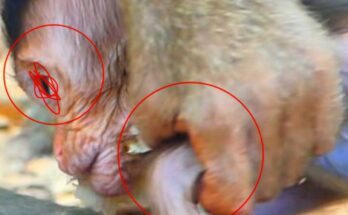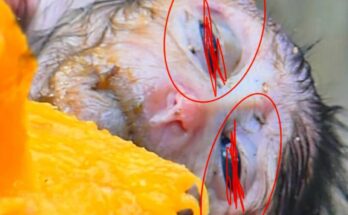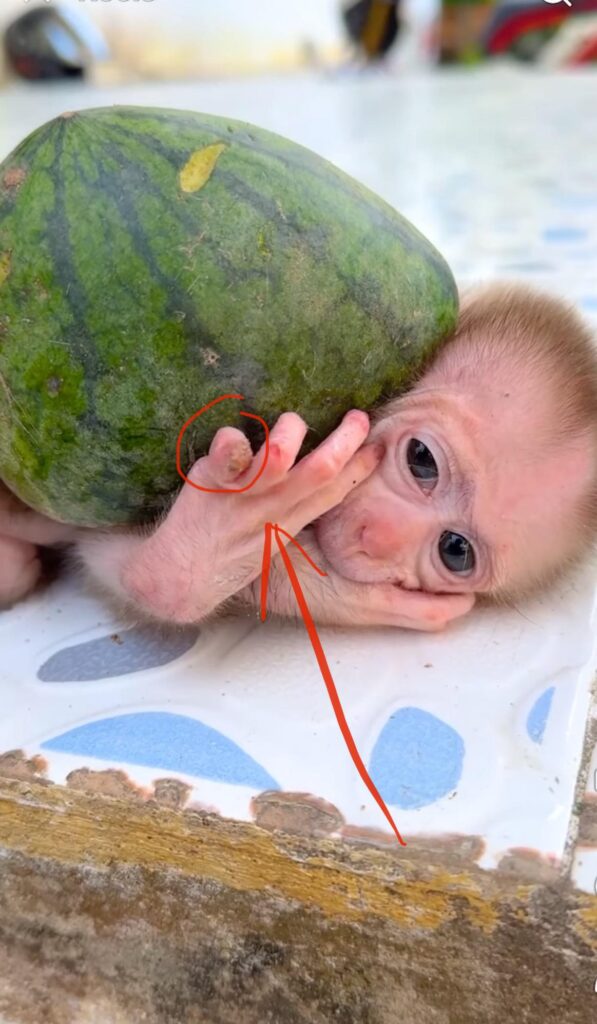
One of the first and most important steps in managing bacterial infections is early detection. Newborn monkeys may show subtle signs of illness, such as weakness, poor feeding, abnormal crying, or changes in body temperature. Since they cannot communicate discomfort, caregivers and veterinarians must rely on close observation. Prompt identification allows treatment to begin before the infection spreads or causes severe complications.
Veterinary diagnosis plays a critical role in treatment. Trained professionals may use physical examinations and laboratory testing to identify the type of bacteria involved. This helps ensure that the chosen treatment is appropriate and effective. Because newborn monkeys are highly sensitive, treatment decisions must be made cautiously and adjusted to their developmental stage.
Supportive care is a central part of treatment for bacterial infections. This includes maintaining proper warmth, as newborn monkeys are unable to regulate their body temperature well. A stable, clean, and stress-free environment helps conserve energy and supports the immune system. Hydration and nutrition are equally important, since illness can reduce feeding and weaken the infant further. In many cases, assisted feeding may be required under professional supervision.
Medical treatment often involves the use of antibiotics prescribed by a veterinarian. These medications are selected carefully to target the infection while minimizing stress on the newborn’s developing organs. Because incorrect use of antibiotics can be dangerous, treatment is closely monitored and adjusted as needed. Caregivers should never attempt to treat infections without expert guidance, as improper treatment can worsen the condition.
Hygiene and infection control are also essential methods in managing bacterial illnesses. Newborn monkeys are especially vulnerable to bacteria in unclean environments. Regular sanitation of bedding, feeding equipment, and surrounding areas helps prevent reinfection and limits the spread of bacteria. In group care settings such as rescue centers, isolation of infected infants may be necessary to protect others.
Emotional and social support also contributes to recovery. Stress can weaken immune function, making it harder for newborn monkeys to fight infection. Gentle handling, consistent routines, and, when possible, maternal or surrogate care can reduce stress and promote healing. Monkeys are social animals, and emotional comfort plays a meaningful role in their overall health.
Prevention is just as important as treatment. Ensuring that pregnant and nursing monkeys are healthy reduces the risk of infections in newborns. Proper prenatal care, clean living conditions, and early veterinary checkups help lower infection rates. In wildlife conservation and captive settings, education and training of caregivers are key to preventing avoidable illnesses.
In conclusion, treating bacterial infections in newborn monkeys requires a combination of early detection, professional veterinary care, supportive environments, and careful monitoring. Because these infants are so fragile, treatment must be gentle, precise, and handled by experts. Understanding these methods highlights the importance of responsible animal care and reinforces the need to protect vulnerable newborn monkeys through proper health management and conservation efforts.