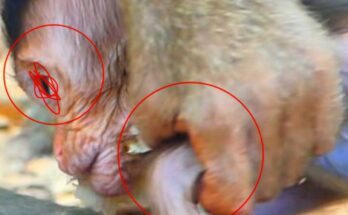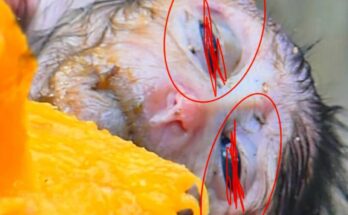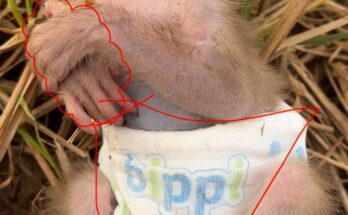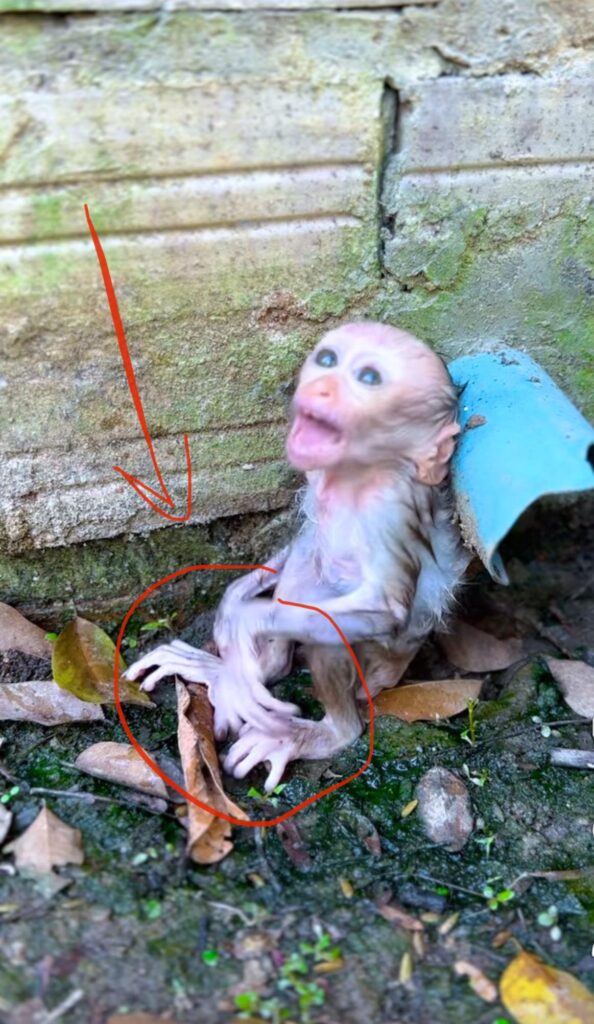
Caring for newborn monkeys during winter requires special attention because young primates are extremely sensitive to cold temperatures. Unlike adults, newborn monkeys cannot regulate their body temperature well, making them vulnerable to hypothermia, illness, and stress. Proper winter care focuses on warmth, nutrition, shelter, hygiene, and close monitoring to ensure healthy development during the cold season.
One of the most important methods of winter care is providing adequate warmth. Newborn monkeys should be kept in insulated, draft-free environments that maintain a stable temperature. Soft bedding materials such as clean blankets, straw, or towels help retain body heat and provide comfort. In professional care settings, heat lamps or warming pads set to safe temperatures can be used, but they must be carefully monitored to prevent burns or overheating. When possible, allowing close contact with the mother is ideal, as body-to-body warmth is the most natural and effective way to keep infants warm.
Nutrition also plays a key role in helping newborn monkeys survive winter. Proper feeding supports growth and strengthens the immune system, which is especially important in cold conditions. Newborns should nurse frequently, as mother’s milk provides both nutrients and warmth. If the infant is orphaned or rejected, caregivers must provide a suitable milk formula at the correct temperature. Warm (not hot) feedings help maintain body heat and support digestion. Caregivers should also ensure the mother receives extra nutrition and fresh water, as winter can increase her energy needs.
Shelter design is another critical factor. Enclosures should be weatherproof, blocking wind, rain, and snow. Elevated sleeping areas help keep newborns away from cold ground surfaces. Good ventilation is necessary, but it must be balanced to avoid cold drafts. During extreme weather, moving newborn monkeys to indoor or protected spaces may be necessary to reduce exposure to harsh conditions.
Hygiene and cleanliness are especially important in winter because damp or dirty environments can quickly lead to illness. Bedding should be changed regularly to keep it dry and clean. Wet fur or bedding can rapidly lower a newborn’s body temperature, so caregivers must act quickly if moisture is present. Clean living areas also reduce the risk of infections, which newborn monkeys are less able to fight off.
Finally, close observation is essential throughout the winter months. Caregivers should monitor newborn monkeys for signs of cold stress, such as shivering, weakness, reduced movement, or poor feeding. Early detection allows for quick intervention, which can be life-saving. Regular health checks help ensure that the infant is growing properly and adapting well to the winter environment.
In conclusion, caring for newborn monkeys in winter requires careful planning and consistent attention. By providing warmth, proper nutrition, safe shelter, cleanliness, and close monitoring, caregivers can greatly improve the chances of survival and healthy development for newborn monkeys during the cold season.