Respiratory illnesses, including flu-like infections, can pose serious health risks to newborn monkeys. Much like human infants, neonatal primates have immature immune systems, making them especially vulnerable to viral and bacterial infections. Understanding the risks, recognizing early symptoms, and providing proper care are critical steps in ensuring survival and healthy development during this fragile stage of life.
Understanding the Risk Factors
Newborn monkeys are at higher risk of flu and other respiratory infections due to several biological and environmental factors. At birth, their immune defenses are not fully developed, and they rely heavily on maternal antibodies received through the placenta or breast milk. If the mother is ill, malnourished, stressed, or unable to provide adequate care, the infant’s protection is significantly reduced.
Environmental conditions also play a major role. Overcrowded living spaces, poor ventilation, sudden temperature changes, and unsanitary enclosures can all increase exposure to infectious agents. In captive settings such as research facilities, sanctuaries, or zoos, close contact with humans or other animals may introduce viruses that newborn monkeys are not equipped to fight. Stress caused by separation from the mother or frequent handling further weakens immune responses.
Common Symptoms to Watch For
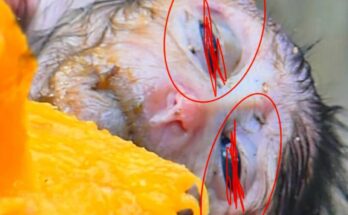
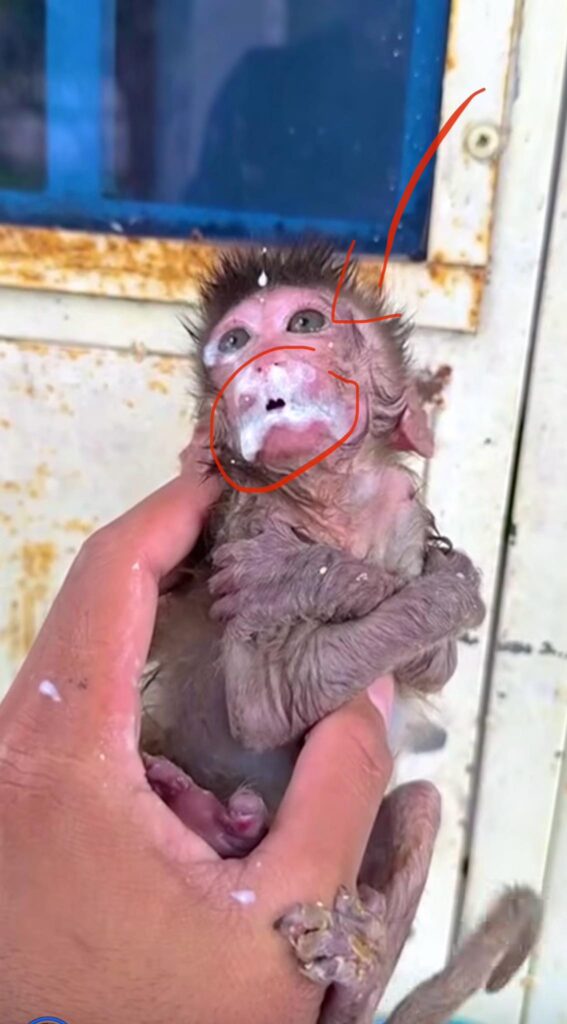
Early detection of flu-like illness in newborn monkeys is essential, as their condition can worsen rapidly. Symptoms may begin subtly but progress quickly if left untreated. Common signs include nasal discharge, sneezing, coughing, and labored or rapid breathing. Affected infants may appear weak, lethargic, or less responsive than usual.
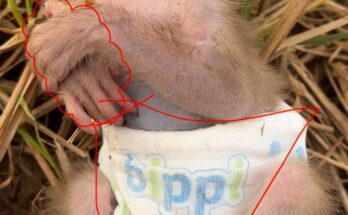
Other warning signs include reduced appetite, difficulty nursing, dehydration, and weight loss. Fever may be present, though it can be difficult to detect without veterinary equipment. In more severe cases, bluish discoloration of the lips or extremities may indicate oxygen deprivation, requiring immediate medical attention. Because newborn monkeys cannot communicate discomfort, caregivers must rely on careful observation and routine health checks.
Diagnosis and Veterinary Care
Accurate diagnosis typically requires veterinary evaluation. A veterinarian may perform physical examinations, temperature checks, and laboratory tests such as nasal swabs or blood work to identify the cause of the infection. Determining whether the illness is viral, bacterial, or secondary to another condition is crucial for selecting the correct treatment approach.
Supportive care is often the primary treatment for flu in newborn monkeys. This may include maintaining body temperature, ensuring proper hydration, and providing supplemental oxygen if breathing is compromised. In cases where bacterial infection is suspected or confirmed, antibiotics may be prescribed. Antiviral medications are less commonly used but may be considered in specific situations under veterinary guidance.