Caring for a newborn monkey is a delicate responsibility, especially when the infant appears unwell. One concern that can worry caregivers is throat discomfort, often described as a “sore throat.” While monkeys cannot tell us what they feel, changes in behavior, feeding, or vocalization can signal that something is wrong. Because newborn monkeys are fragile, understanding the signs and knowing how to respond safely is essential.
Recognizing Possible Signs of Throat Discomfort
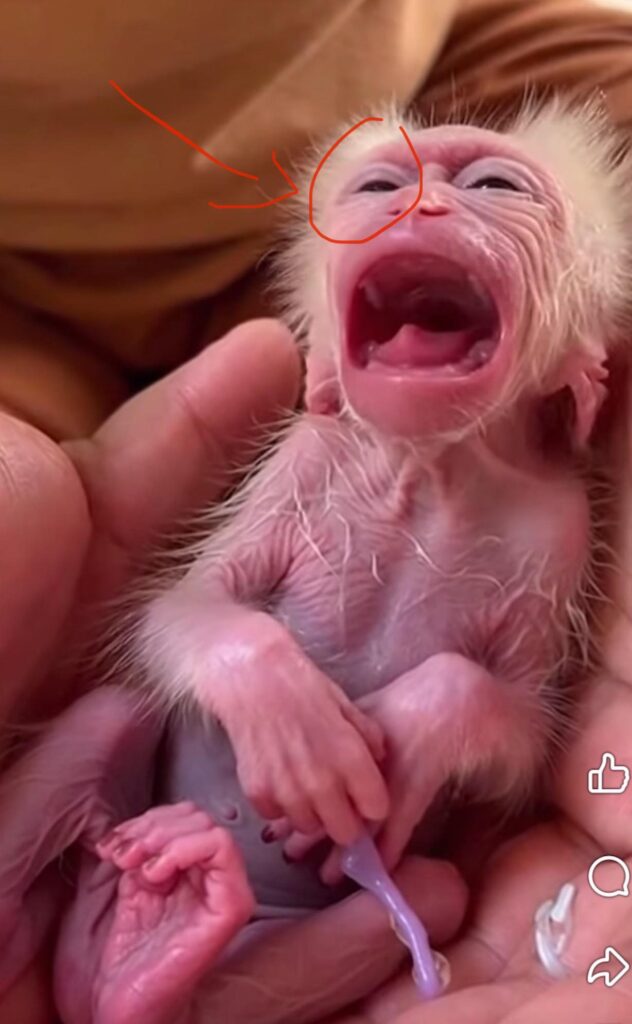
A newborn monkey with throat discomfort may show subtle but important changes. These can include weak or unusual crying sounds, reduced feeding, frequent swallowing motions, or signs of discomfort when trying to nurse. Some infants may seem more irritable, lethargic, or less responsive than usual. Others may hold their mouth open more often or appear reluctant to vocalize.
It is important to remember that these signs are not specific to throat issues alone. Similar symptoms can occur with dehydration, infections, digestive problems, or environmental stress. This is why observation and professional evaluation are so important.
Why Throat Issues Are Serious in Newborn Monkeys
Newborn monkeys rely heavily on consistent feeding and warmth to survive. Any condition that interferes with swallowing or breathing can quickly become serious. A sore or irritated throat may make feeding painful, leading to reduced intake of milk and rapid weakness. Infections can also spread quickly in young animals whose immune systems are still developing.
Because of these risks, throat discomfort in a newborn monkey should never be ignored or treated casually. Early and appropriate action can make a major difference in recovery.
Immediate Steps a Caregiver Can Take
The first and most important step is not to attempt home treatments meant for humans or other animals. Medications, herbal remedies, or force-feeding can be dangerous and even life-threatening to a newborn monkey.
Instead, caregivers should focus on supportive care while seeking professional help:
- Keep the infant warm and calm. Stress and cold can worsen any illness. Make sure the monkey is in a quiet, clean, and temperature-controlled environment.
- Observe feeding behavior carefully. Note whether the infant is nursing less, struggling to swallow, or refusing food altogether. This information is valuable for a veterinarian.
- Maintain cleanliness. A clean environment helps reduce the risk of infection and prevents existing problems from worsening.
- Avoid unnecessary handling. Excessive handling can increase stress and may irritate the throat further if the infant cries frequently.
These steps do not treat the underlying problem, but they help stabilize the newborn until expert care is available.
The Importance of Professional Help
A licensed veterinarian, especially one experienced with primates or exotic animals, is the only person qualified to diagnose and treat a newborn monkey’s throat condition. In some regions, wildlife rehabilitators or primate rescue organizations can also provide appropriate care or referrals.
A professional may check for infection, inflammation, injury, or environmental causes such as dry air or exposure to irritants. Treatment, if needed, must be carefully tailored to the monkey’s age, size, and species. Even small mistakes in treatment can have serious consequences for such a young animal.
What Not to Do
Well-meaning caregivers sometimes make situations worse by acting too quickly without guidance. It is important to avoid:
- Giving human or pet medications
- Using home remedies or herbal solutions
- Forcing food or liquids
- Attempting to look deep into the throat without training
- Delaying professional care while “waiting to see if it improves”
These actions can cause injury, choking, poisoning, or worsening illness.
Prevention and Ongoing Care
While not all health problems can be prevented, good care practices reduce risks. Keeping the newborn in a clean, warm, and appropriately humid environment supports throat and respiratory health. Proper nutrition, minimal stress, and limited exposure to unfamiliar people or animals also help protect a developing immune system.
Regular check-ups with a qualified professional are especially important for orphaned or captive newborn monkeys, who may not receive the same protection as they would from their mother in the wild.
A Final Word
A newborn monkey with throat discomfort needs careful attention, patience, and professional support. While it can be frightening to see such a vulnerable animal struggle, the safest and most responsible response is to observe closely, provide comfort, and seek expert help as soon as possible. With prompt and appropriate care, many young animals recover well and go on to grow stronger each day.
If you’d like, I can also rewrite this in a simpler style, make it more scientific, or adapt it for a school project