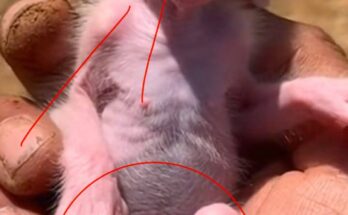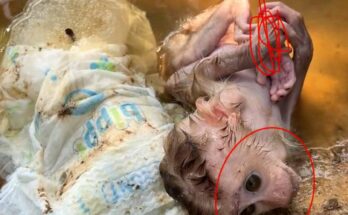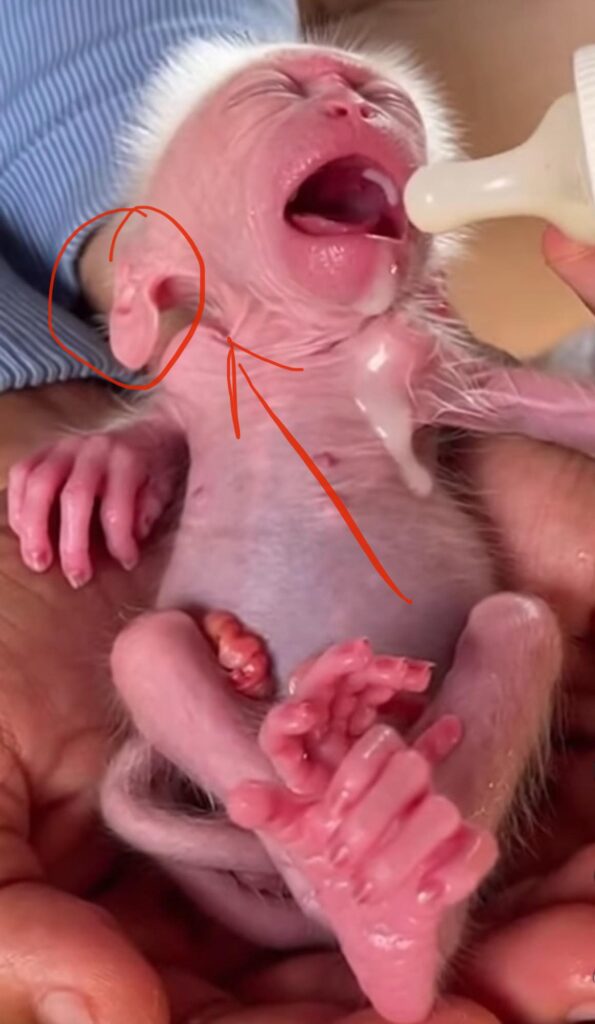
Feeding a newborn baby monkey the right amount of milk at the right times is critical for healthy growth and survival. During the first weeks of life, baby monkeys depend entirely on milk for nutrition, hydration, and immune support. Because their stomachs are very small and their energy needs are high, feeding frequency plays a key role in proper development.
Feeding in the First Week
In the earliest days after birth, a newborn baby monkey typically needs to be fed every 2 to 3 hours, including during the night. This usually means 8 to 12 feedings per day. At this stage, whether the baby is nursing from its mother or being bottle-fed with a veterinarian-approved formula, consistency is essential. Missing feedings can quickly lead to weakness, dehydration, or low blood sugar.
Feeding After the First Week
As the baby grows stronger, feeding intervals can gradually be extended. From about 2 to 4 weeks of age, most newborn monkeys are fed 6 to 8 times per day. The amount of milk per feeding slowly increases, while the number of feedings decreases. Caregivers should always monitor the baby’s weight gain, energy level, and digestion to ensure the feeding schedule is appropriate.
Individual Needs Matter
Not all baby monkeys are the same. Feeding frequency can vary depending on species, size, health condition, and whether the baby is mother-raised or hand-reared. Premature or weak newborns may need smaller but more frequent feedings. A veterinarian experienced in primate care should guide feeding plans to avoid overfeeding or digestive problems.
Signs of Proper Feeding
A well-fed newborn monkey should gain weight steadily, appear alert between feedings, and have normal digestion. Crying constantly, poor weight gain, or diarrhea may signal feeding issues and should be addressed promptly.
Conclusion
In general, newborn baby monkeys need milk multiple times a day, starting with very frequent feedings and gradually reducing as they grow. Careful observation, consistency, and professional guidance help ensure healthy development during this critical stage of life.