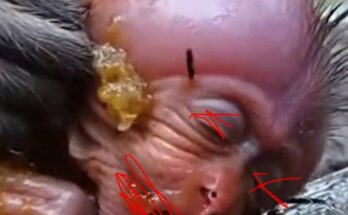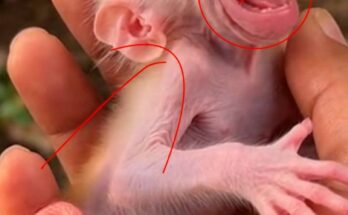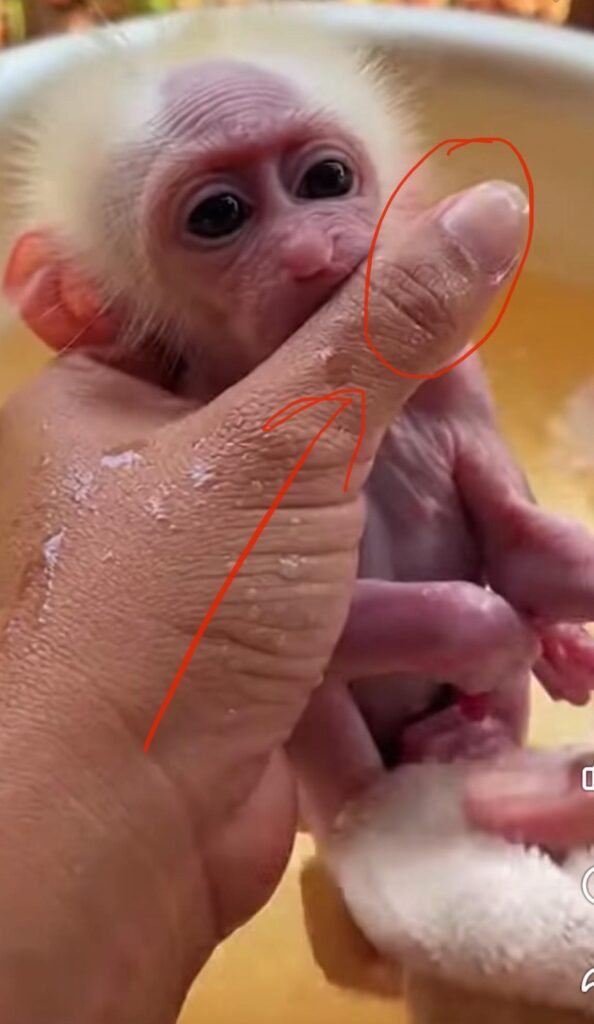
Raising awareness about hygiene challenges in newborn monkeys is an important step toward improving animal welfare, conservation, and public understanding of wildlife health. Like human infants, newborn monkeys enter the world with delicate immune systems and a strong dependence on their caregivers. However, unlike humans, many monkeys are born into environments where maintaining hygiene is far more difficult. These challenges can affect their survival, growth, and long-term health, making this issue especially important for researchers, conservationists, and communities living near monkey habitats.
Newborn monkeys are particularly vulnerable during the first weeks of life. Their immune systems are not fully developed, which means they are less capable of fighting infections caused by bacteria, parasites, and viruses. Hygiene plays a major role in protecting them, yet in natural settings, conditions are often unpredictable. Monkeys may be born in forests, rocky hillsides, or urban areas where exposure to dirt, waste, and harmful microorganisms is unavoidable. While adult monkeys have built stronger immunity over time, newborns face a much higher risk from the same surroundings.
Maternal care is one of the most important factors influencing hygiene in newborn monkeys. Mother monkeys typically clean, groom, and closely monitor their infants. Grooming helps remove dirt, parasites, and dead skin, reducing the chances of infection. However, not all mothers are equally experienced or healthy. First-time mothers, stressed individuals, or those living in disturbed habitats may struggle to provide consistent care. In such cases, newborns may suffer from poor hygiene, leading to skin infections or digestive problems.
Environmental conditions also play a major role in hygiene challenges. In the wild, heavy rainfall, extreme heat, or cold temperatures can make it difficult to keep newborns clean and dry. Damp conditions encourage the growth of bacteria and fungi, which can be harmful to fragile skin. In urban environments, the problem can be even more serious. Monkeys that live near human settlements may come into contact with garbage, polluted water, and human waste. Newborn monkeys in these areas are exposed to pathogens that their bodies are not prepared to handle.
Another significant challenge is the presence of parasites. Fleas, ticks, mites, and intestinal worms are common in many monkey populations. While adult monkeys can sometimes tolerate low levels of parasites, newborns are much more sensitive. Poor hygiene increases the likelihood of parasite infestations, which can cause weakness, irritation, and poor growth. In severe cases, these parasites can be life-threatening for young monkeys.
Human activity has increased hygiene-related risks for newborn monkeys. Deforestation, tourism, and urban expansion disrupt natural habitats and force monkeys to adapt to unfamiliar environments. When humans feed monkeys or leave food waste behind, it may seem helpful, but it often exposes newborns to unhealthy food and contaminated surfaces. Additionally, close contact between humans and monkeys can lead to the spread of diseases in both directions, creating serious health risks for young animals.
Raising awareness about these challenges is essential. Education can help people understand why it is important not to interfere with wild monkeys or expose them to human waste and food. Conservation programs can focus on protecting natural habitats, ensuring cleaner environments, and supporting rescue and rehabilitation centers when newborn monkeys are orphaned or injured. In sanctuaries, proper hygiene practices—such as clean enclosures, safe water, and regular health monitoring—can dramatically improve survival rates.
Scientific research also plays a key role in addressing hygiene challenges. By studying how newborn monkeys develop immunity and respond to environmental conditions, researchers can design better conservation strategies. This knowledge can guide vaccination programs, parasite control efforts, and improved care techniques for rescued infants. Sharing this information with the public helps build empathy and encourages responsible behavior around wildlife.
In conclusion, hygiene challenges in newborn monkeys are a serious but often overlooked issue. Their fragile immune systems, dependence on maternal care, exposure to harsh environments, and increasing contact with humans all contribute to health risks during early life. By raising awareness, supporting conservation efforts, and promoting respectful coexistence with wildlife, we can help give newborn monkeys a healthier start. Protecting their earliest days not only improves their chances of survival but also strengthens the future of monkey populations and the ecosystems they are part of.