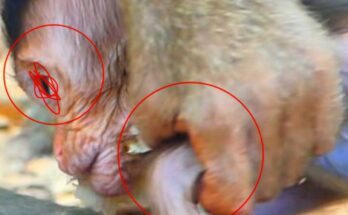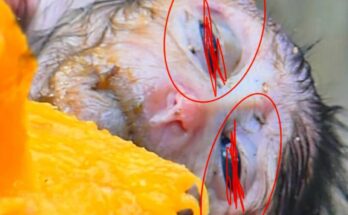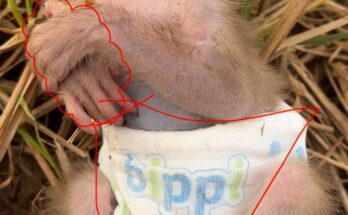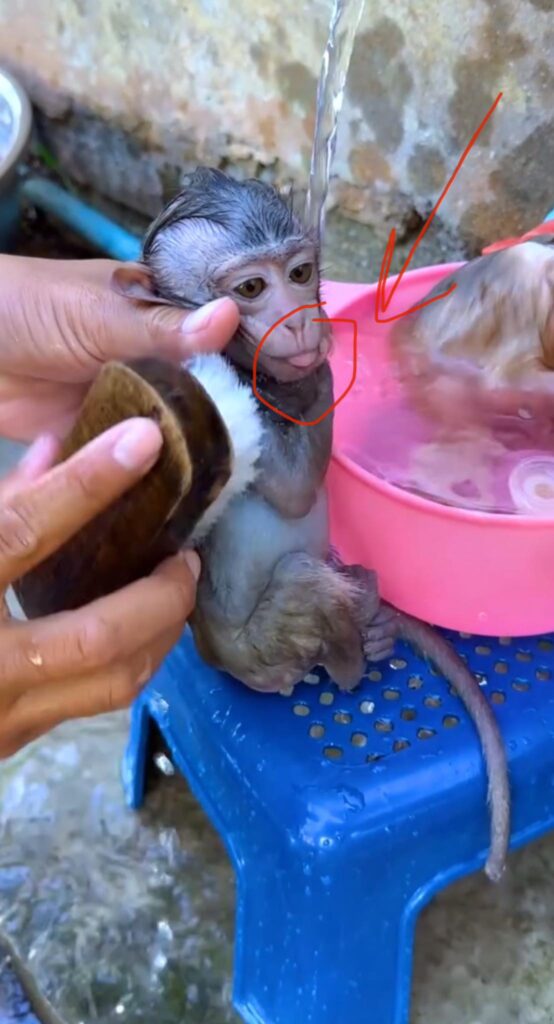
One of the most common myths is that hot baths help newborn monkeys relax, improve circulation, or keep them clean and healthy. This idea is often borrowed from human practices, where warm baths can sometimes be comforting for adults. However, applying human care methods to wild animals—especially newborn primates—is inappropriate and dangerous.
Newborn monkeys are biologically very different from human infants. Their skin is thinner, their ability to regulate body temperature is underdeveloped, and their stress responses are much more sensitive. What looks like calmness in a video may actually be a stress response known as “freezing,” which occurs when an animal is overwhelmed or frightened.
Serious Health Risks
Hot baths pose multiple health risks to newborn monkeys. First, exposure to heat can quickly lead to overheating or shock. Unlike humans, infant monkeys cannot effectively cool themselves, making them extremely vulnerable to temperature changes. Even brief exposure to overly warm water can cause internal stress, dehydration, or organ strain.
Second, bathing can strip away natural oils from the skin that protect against infection. Newborn monkeys rely heavily on these natural defenses, especially in the first weeks of life. Removing them increases the risk of skin infections, fungal growth, and irritation.
Third, water exposure itself can be dangerous. Newborn monkeys are not adapted to bathing and may inhale water, leading to respiratory problems. The physical handling involved in bathing can also cause fear, injury, or long-term trauma.
Psychological and Emotional Harm
Beyond physical risks, forced bathing can cause psychological distress. Newborn monkeys depend on constant contact with their mothers for warmth, safety, and emotional regulation. Separating them for unnecessary handling disrupts this bond and can interfere with normal development.
Stress in early life can have lasting effects on primates, including anxiety, weakened immune systems, and abnormal behaviors later on. Practices that prioritize entertainment or viral content over animal well-being are especially harmful.
Ethical Concerns and Animal Welfare
Many videos showing baby monkeys being bathed are not created by trained professionals or wildlife experts. In some cases, the animals may have been illegally taken from their mothers or kept in improper conditions. This raises serious ethical concerns.
Ethical animal care is based on several key principles: minimizing stress, respecting natural behaviors, and prioritizing the animal’s needs over human curiosity or profit. For wild animals like monkeys, this usually means avoiding unnecessary human interaction altogether and ensuring they remain with their mothers or in professional rehabilitation settings.
What Ethical Care Really Looks Like
Proper care for newborn monkeys should only be provided by trained wildlife veterinarians or licensed caregivers. Ethical care focuses on warmth through natural contact, appropriate nutrition, and a safe, low-stress environment. Importantly, it avoids unnecessary procedures that may cause harm, even if they appear harmless to humans.
Education plays a crucial role here. Viewers should be encouraged to question what they see online and consider whether the content respects the animal’s welfare. Just because something is popular or visually appealing does not mean it is safe or ethical.