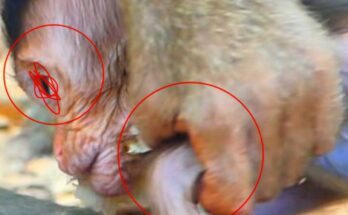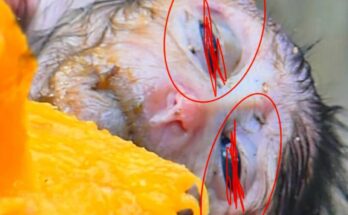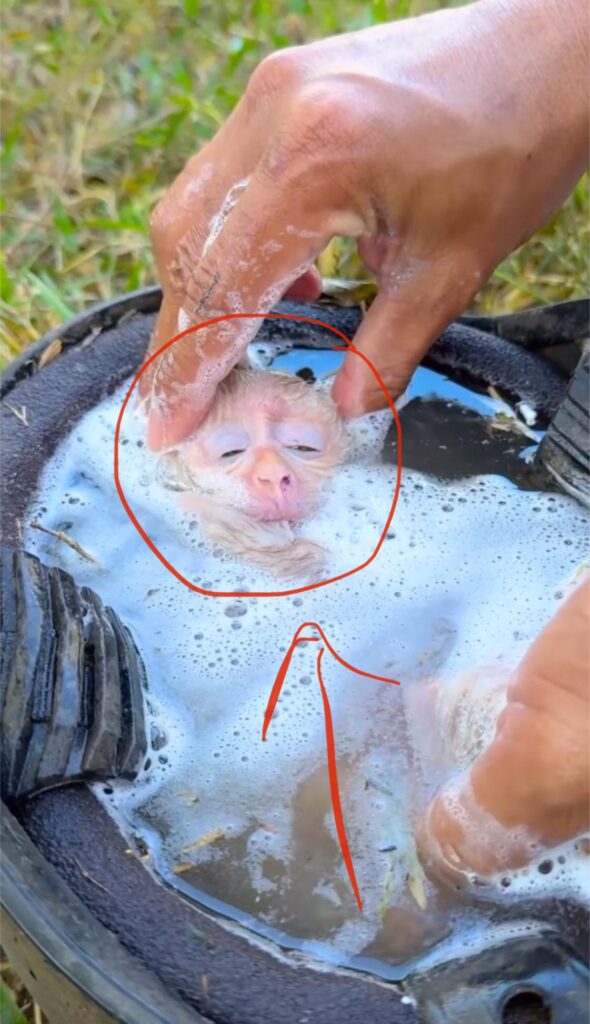
Hygiene plays a crucial role in maintaining health in all living beings, including monkeys. Monkeys live in a wide range of environments, from dense forests to areas close to human settlements. When hygiene conditions are poor—such as dirty living spaces, contaminated food and water, or lack of grooming—monkeys become more vulnerable to many diseases. These illnesses can affect not only individual monkeys but also entire groups, reducing survival rates and disrupting ecosystems.
One of the most common problems caused by poor hygiene in monkeys is parasitic infection. Parasites such as worms, lice, ticks, and mites thrive in unclean environments. Internal parasites, including roundworms and tapeworms, often spread through contaminated food, water, or feces. These parasites can cause weight loss, diarrhea, anemia, and weakness. External parasites like mites and lice can lead to intense itching, hair loss, skin infections, and open wounds, which may become infected with bacteria.
Another major health issue linked to lack of hygiene is bacterial infections. Dirty surroundings allow harmful bacteria to grow and spread quickly. Monkeys living in unhygienic conditions may develop gastrointestinal infections from eating spoiled food or drinking polluted water. These infections often cause diarrhea, dehydration, and malnutrition, which can be especially dangerous for young or old monkeys. Bacteria can also enter the body through cuts or scratches, leading to skin infections or abscesses if wounds are not kept clean.
Viral diseases can also spread more easily when hygiene is poor. In crowded and dirty environments, viruses can pass rapidly from one monkey to another through contact with bodily fluids, feces, or contaminated surfaces. Respiratory infections are common in such conditions, especially when monkeys live close together. Symptoms may include coughing, sneezing, fever, and difficulty breathing. Poor hygiene weakens the immune system, making it harder for monkeys to fight off viral infections.
Lack of hygiene is also closely linked to fungal infections, particularly of the skin. Fungi thrive in warm, damp, and dirty environments. Monkeys that are unable to groom themselves properly or live in wet, unclean spaces may develop fungal skin diseases. These infections can cause scaly patches, hair loss, and irritation. While some fungal infections are mild, others can spread widely across the body if left untreated.
Another serious consequence of poor hygiene is tooth and gum disease. Monkeys rely on clean food and natural chewing behaviors to keep their teeth healthy. When they consume dirty or processed human food scraps, bacteria can build up in the mouth. This may lead to gum infections, tooth decay, pain, and difficulty eating. Dental problems can reduce a monkey’s ability to feed properly, leading to weakness and poor overall health.
Poor hygiene can also indirectly cause malnutrition. When monkeys are frequently sick due to infections or parasites, their bodies struggle to absorb nutrients from food. Diarrhea and intestinal parasites reduce nutrient intake, which can slow growth, weaken muscles, and lower resistance to disease. Young monkeys are especially vulnerable, as malnutrition can affect their development and survival.
In areas where monkeys live close to humans, poor hygiene increases the risk of diseases spreading between monkeys and people. Garbage dumps, polluted water sources, and feeding by humans can expose monkeys to harmful pathogens. This not only threatens monkey populations but can also create public health concerns.
In conclusion, lack of hygiene can lead to many diseases in monkeys, including parasitic, bacterial, viral, and fungal infections, as well as dental problems and malnutrition. Clean living environments, access to uncontaminated food and water, and natural grooming behaviors are essential for maintaining monkey health. Protecting hygiene in monkey habitats is important not only for animal welfare but also for preserving ecological balance and reducing disease risks for humans and wildlife alike.