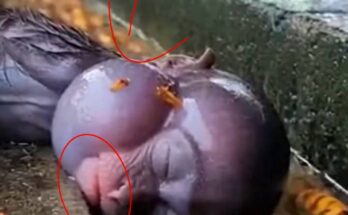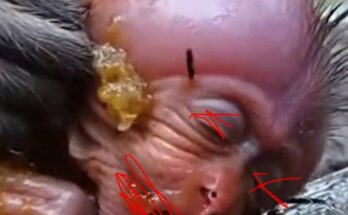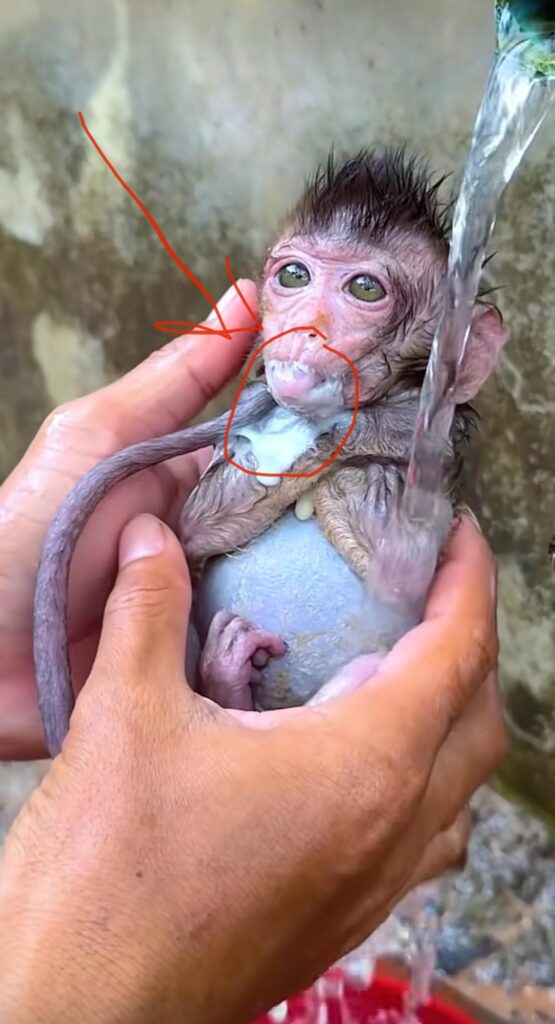
Gastritis is a condition that involves inflammation of the stomach lining, and while it is often discussed in relation to humans, it can also affect animals, including newborn monkeys. Newborn monkeys are especially sensitive because their digestive systems are still developing, and even minor disturbances can lead to noticeable health problems. Recognizing the early signs of gastritis in newborn monkeys is essential for ensuring timely care and improving their chances of recovery.
One of the most common signs of gastritis in newborn monkeys is frequent vomiting or regurgitation. While occasional spit-up can be normal in young animals, repeated vomiting—especially after feeding—may indicate irritation in the stomach. The vomit may appear milky, watery, or mixed with mucus. This symptom often leads to dehydration if not addressed promptly, which can be dangerous for newborns.
Another important sign to watch for is poor appetite or refusal to feed. Newborn monkeys usually feed frequently and show strong interest in nursing. If a baby monkey suddenly becomes reluctant to feed or stops feeding altogether, it may be experiencing stomach pain or nausea caused by gastritis. This can quickly lead to weakness and slowed growth, as newborns rely entirely on regular nutrition.
Abdominal discomfort is also a key indicator. A newborn monkey with gastritis may appear restless, cry more than usual, or curl its body in unusual positions. Some may pull their legs toward their abdomen or react negatively when their stomach area is touched. These behaviors often signal internal discomfort or pain linked to stomach inflammation.
Changes in stool patterns can also suggest gastritis. Diarrhea, loose stools, or stools mixed with mucus may appear when the stomach and digestive tract are irritated. In some cases, the stool may have an unusual smell or color. Because newborn monkeys have delicate digestive systems, even short periods of diarrhea can quickly result in dehydration and nutrient loss.
Lethargy and low energy levels are additional warning signs. Healthy newborn monkeys are generally active, alert, and responsive when awake. A baby suffering from gastritis may appear unusually tired, weak, or uninterested in its surroundings. This lack of energy often results from discomfort, reduced food intake, and dehydration.
In some cases, bloating or swelling of the abdomen may be observed. This can occur due to gas buildup or slowed digestion associated with gastritis. A swollen abdomen may feel firm and can add to the monkey’s discomfort. Caregivers should treat this sign seriously, as it may indicate worsening digestive issues.
There are several possible causes of gastritis in newborn monkeys. These include sudden changes in diet, contaminated milk or food, bacterial or viral infections, stress from separation from the mother, or unsanitary living conditions. In captive environments, improper feeding techniques or incorrect milk formulas can also irritate the stomach lining.
Early care is critical once signs of gastritis appear. Keeping the newborn monkey hydrated and warm is essential, as dehydration and temperature loss can worsen the condition. Feeding should be gentle and appropriate for the monkey’s age, avoiding overfeeding or unsuitable foods. Clean surroundings also play a major role in preventing infections that may contribute to gastritis.
Most importantly, professional veterinary care is necessary when gastritis is suspected. A trained veterinarian can identify the underlying cause and recommend safe treatment options. Attempting home remedies without expert guidance can be risky, especially for newborn animals with fragile systems.
In conclusion, gastritis in newborn monkeys is a serious but manageable condition when recognized early. Signs such as vomiting, poor feeding, diarrhea, abdominal discomfort, and lethargy should never be ignored. By staying alert to these warning signs and ensuring proper care, hygiene, and medical attention, caregivers can protect the health and well-being of newborn monkeys and give them the best possible start in life. 🐒💚