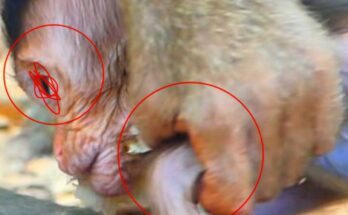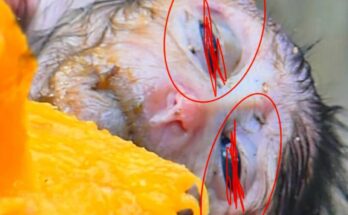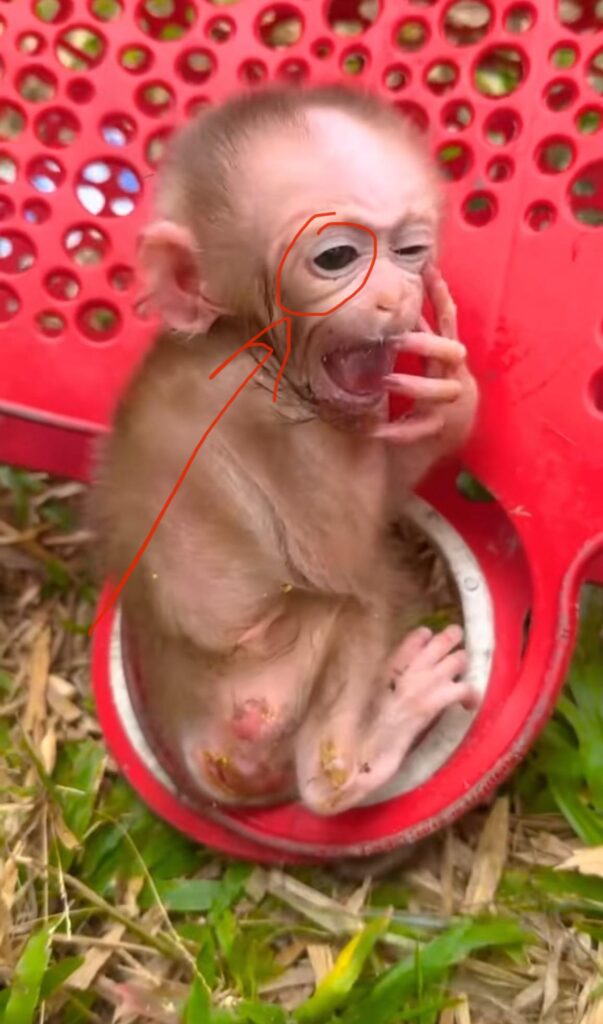
Proper nutrition is one of the most important factors in ensuring the health and survival of a newborn monkey. Many people wonder whether fruit can be given to newborn monkeys, especially because adult monkeys are often seen eating fruits in the wild. However, the nutritional needs of newborn monkeys are very different from those of older infants or adults, and misunderstanding these needs can lead to serious health problems.
Newborn monkeys rely almost entirely on their mother’s milk during the first stage of life. Mother’s milk provides the perfect balance of nutrients, antibodies, and fluids needed for growth, immune protection, and digestion. When a mother is unavailable, a veterinarian or primate specialist may recommend a specially formulated milk replacement designed for infant primates. At this delicate stage, the digestive system of a newborn monkey is still developing and is not equipped to process solid foods, including fruit.
Giving fruit to a newborn monkey too early can cause digestive distress. Fruits contain natural sugars and fiber that may be difficult for an immature digestive system to handle. This can lead to diarrhea, bloating, dehydration, and nutrient imbalance. These issues are especially dangerous for newborns, as they can weaken the monkey rapidly and interfere with healthy development.
As the monkey grows, usually after several weeks or months depending on the species, small amounts of soft foods may be gradually introduced under professional guidance. This is the stage when mashed or soft fruits may become appropriate, but only in very small portions and alongside milk feeding. Even then, not all fruits are suitable, and preparation matters. Fruits should be ripe, clean, and easy to digest, and seeds or tough skins should be avoided.
In addition to nutrition, proper care plays a major role in a newborn monkey’s well-being. A warm, clean, and calm environment helps reduce stress and supports healthy digestion. Gentle handling and regular observation allow caregivers to notice any signs of discomfort, illness, or feeding problems early. Hygiene is also critical, as newborn monkeys are vulnerable to infections.
It is important to emphasize that caring for a newborn monkey is a serious responsibility. Monkeys are complex animals with specific physical and emotional needs. Whenever possible, care should be guided by a veterinarian, wildlife rehabilitator, or primate expert. Guesswork or well-meaning but incorrect feeding practices can do more harm than good.
In conclusion, fruit should not be given to newborn monkeys. Their bodies are designed to rely on milk during the earliest stage of life, and introducing fruit too early can cause serious health issues. Understanding proper nutrition and providing attentive, informed care gives newborn monkeys the best chance to grow strong, healthy, and stable as they develop.