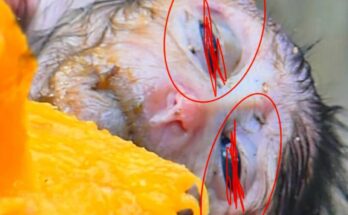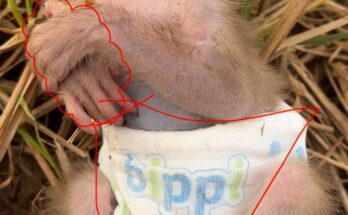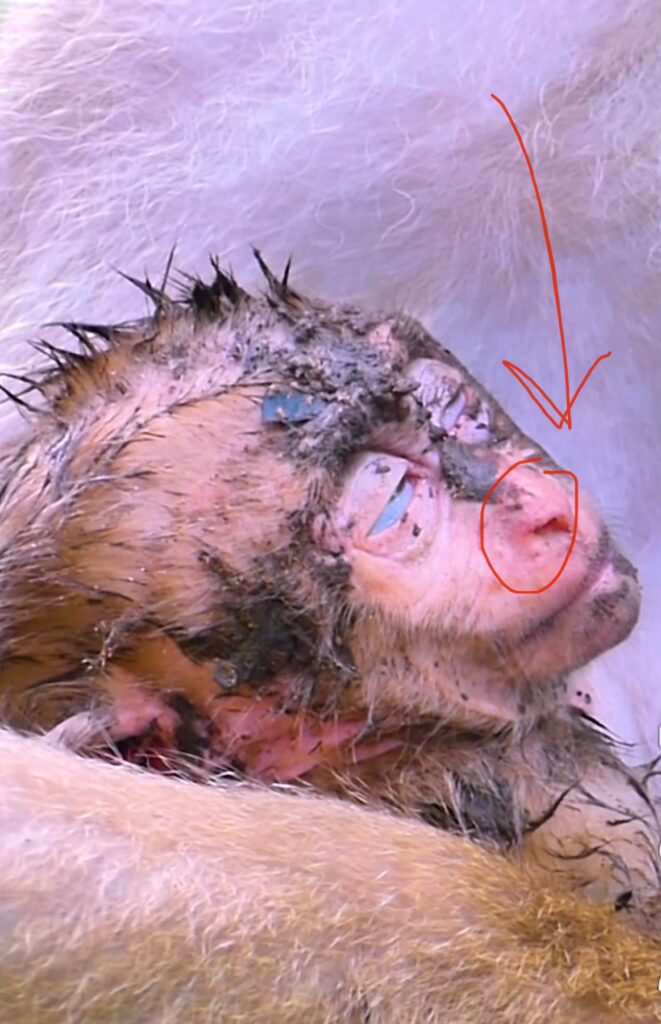
As cities continue to grow and spread into natural habitats, encounters between humans and wildlife are becoming more common—and often more dangerous for animals. A recent tragic accident involving urban wildlife has drawn attention to the increasing risks animals face when navigating city environments not designed for their survival. While urban development brings economic growth and convenience for people, it also creates serious challenges for wildlife struggling to adapt.
Urban areas introduce hazards that animals rarely encounter in the wild. Busy roads, high-speed traffic, glass buildings, power lines, and reduced green spaces can be deadly obstacles. Animals searching for food, shelter, or safe migration routes are frequently forced into unfamiliar territory, where their natural instincts may not protect them from human-made dangers. These risks are especially high at night, when visibility is low and animals are more active.
The tragic accident serves as a reminder that wildlife does not recognize city boundaries. Animals often follow long-established movement patterns that suddenly intersect with roads, neighborhoods, or industrial zones. When green spaces become fragmented, animals must cross dangerous areas to survive. This not only threatens wildlife populations but can also pose safety concerns for drivers and residents.
Climate change has made the situation worse. As temperatures rise and natural resources become scarce, animals are pushed closer to cities in search of water and food. Urban trash, gardens, and artificial water sources can attract wildlife, unintentionally drawing them into unsafe environments. Once there, animals may struggle to find a way back to safer habitats.
The loss of wildlife affects more than just individual animals. Urban ecosystems rely on biodiversity to remain healthy and balanced. Birds control insect populations, mammals help spread seeds, and predators maintain natural order. When wildlife populations decline, ecosystems suffer, even within city limits.
However, solutions exist. City planners and local governments can reduce risks by creating wildlife corridors, installing animal crossings, and preserving green spaces. Simple measures such as better road signage, reduced speed limits in known wildlife areas, and public education can make a meaningful difference. Residents can also help by securing trash, avoiding feeding wild animals, and reporting injured animals to local authorities instead of approaching them.
The tragic accident is not just an isolated event—it is a warning. As urban areas continue to expand, humans share responsibility for minimizing harm to the wildlife forced to coexist alongside us. By designing cities with nature in mind and fostering awareness, it is possible to create safer environments for both people and animals.
Protecting urban wildlife is not only an act of compassion but a necessary step toward sustainable living. Cities and nature do not have to exist in conflict—if thoughtful choices are made today, a safer future for all species is still within reach.