Milk is the primary source of nutrition for newborn monkeys, providing the essential nutrients needed for growth, immunity, and digestive development. When milk lacks proper balance—especially protein—it can negatively affect a newborn monkey’s health. One of the most common concerns linked to inadequate nutrition is diarrhea, a condition that can be particularly dangerous for infants due to dehydration and nutrient loss. Understanding how protein deficiency in milk may contribute to diarrhea is important for caregivers, rescuers, and wildlife rehabilitators.
Protein plays a critical role in the development of a newborn monkey’s body. It supports muscle growth, tissue repair, enzyme production, and immune system function. In natural conditions, a mother monkey’s milk is uniquely designed to meet these needs. It contains the right balance of protein, fats, carbohydrates, vitamins, and antibodies. When a newborn is orphaned or separated from its mother, caregivers often rely on milk substitutes. If these substitutes are improperly formulated or diluted, they may lack sufficient protein.
Milk that is low in protein can disrupt digestion in several ways. First, protein helps regulate how quickly milk moves through the digestive tract. Without enough protein, milk may pass too quickly through the intestines, reducing nutrient absorption and leading to loose stools. Second, protein supports the development of digestive enzymes. In newborn monkeys, the digestive system is still immature, and insufficient protein can make it harder to properly break down nutrients.
Another important factor is gut health. Protein contributes to maintaining the intestinal lining, which acts as a barrier against harmful bacteria. When protein intake is too low, this lining can weaken, increasing the risk of irritation and imbalance in gut bacteria. This imbalance may result in diarrhea, bloating, or discomfort. For newborn monkeys, even mild digestive upset can escalate quickly if not addressed.
It is also important to note that diarrhea is not caused by protein deficiency alone. Other factors often contribute, including incorrect milk concentration, poor hygiene during feeding, sudden changes in formula, stress, or underlying infections. However, milk that lacks adequate protein can make newborn monkeys more vulnerable to these issues, compounding the problem.
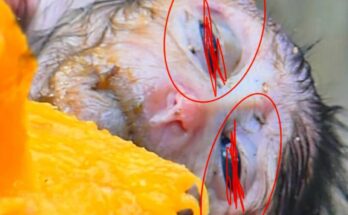
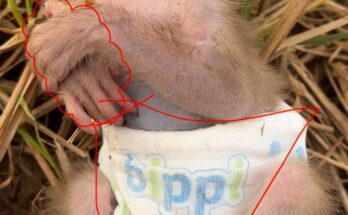
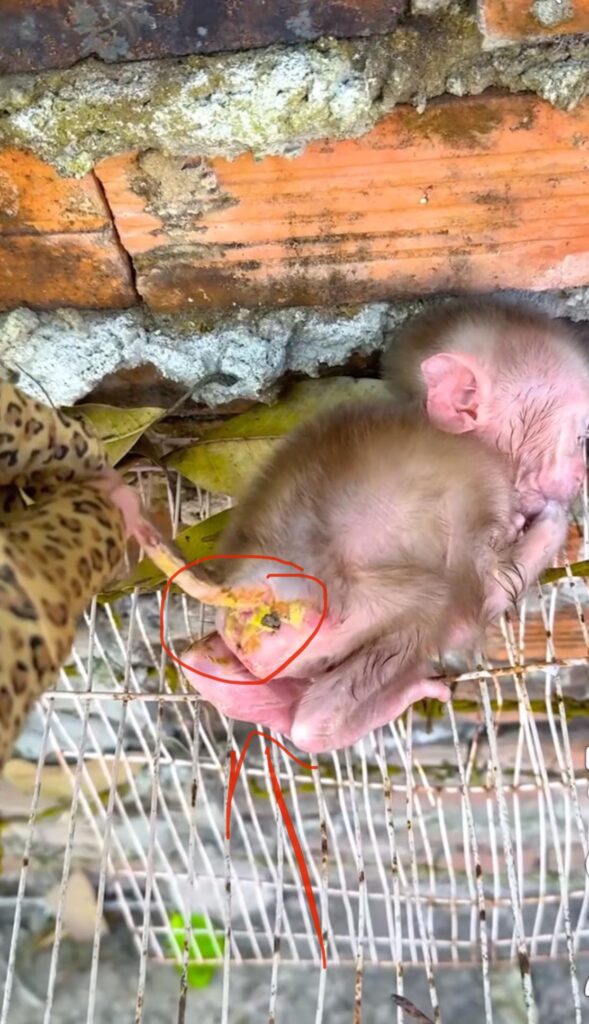
Signs of diarrhea in newborn monkeys include frequent watery stools, dehydration, lethargy, weight loss, and reduced appetite. Because newborns have limited energy reserves, prolonged diarrhea can become life-threatening if proper care is not provided. This is why careful monitoring of diet and digestion is essential, especially in rescue or rehabilitation settings.
To prevent nutrition-related diarrhea, milk substitutes must be carefully selected and prepared according to species-specific needs. Monkey species vary in their milk composition, and using a formula designed for another animal—such as cows or humans—can lead to nutritional imbalances. Caregivers should also avoid over-diluting formula, as this reduces protein and calorie content.
In conclusion, milk lacking adequate protein can contribute to diarrhea in newborn monkeys by disrupting digestion, weakening gut health, and limiting nutrient absorption. While it may not be the sole cause, protein deficiency significantly increases the risk of digestive problems. Providing properly balanced milk, maintaining strict hygiene, and monitoring newborns closely are essential steps in ensuring healthy development. With the right nutritional support, newborn monkeys have a much better chance of growing strong and resilient during their most vulnerable stage of life.