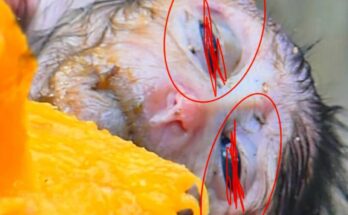
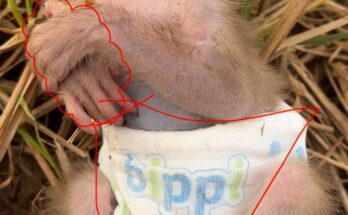
Newborn monkeys are extremely delicate creatures, and any form of injury poses a serious threat to their survival. Because their immune systems are underdeveloped and their bodies are still growing, medical treatment must be chosen with great care. The type of medicine used to save an injured newborn monkey depends on several factors, including the nature of the injury, the monkey’s species, age, and overall health. Most importantly, treatment should always be guided by a qualified veterinarian or wildlife rehabilitation specialist.
In cases of physical injury, such as cuts, bruises, or fractures, the first priority is stabilization. Before any medication is administered, the newborn monkey must be kept warm, hydrated, and calm. Hypothermia and shock are common in injured infants and can be fatal if not addressed quickly. Supportive care alone can sometimes determine whether the monkey survives long enough to receive further treatment.
When infection is a concern, veterinarians may consider antibiotics. Newborn monkeys are highly susceptible to bacterial infections due to their immature immune systems. However, not all antibiotics are safe for infants, and improper use can cause severe side effects, including organ damage or disruption of gut health. For this reason, antibiotics should only be used when there are clear signs of infection and when prescribed by a professional who understands primate physiology.
Pain management is another critical aspect of treating injured newborn monkeys. Injuries can cause significant stress and pain, which may weaken the infant further and interfere with feeding and healing. Mild, carefully selected pain-relief medications may be used under veterinary supervision. Because newborns process drugs differently than adults, dosages must be extremely precise, and some medications commonly used in adult animals may be unsafe for infants.
Inflammation is often present after an injury, and in certain cases, anti-inflammatory medications may be recommended. These drugs can help reduce swelling and discomfort, allowing the newborn monkey to rest and recover. However, the use of anti-inflammatory medicine in newborn primates carries risks, particularly to the kidneys and digestive system. Therefore, such treatments must be approached cautiously and monitored closely.
In addition to medication, nutritional support plays a vital role in recovery. An injured newborn monkey may be unable to nurse properly, especially if separated from its mother. Specialized milk formulas designed for primates may be necessary to ensure adequate nutrition. Proper nutrition strengthens the immune system, supports tissue repair, and improves the effectiveness of any medical treatment being given.
In some situations, topical treatments may be sufficient. For minor wounds, gentle cleaning and the use of veterinarian-approved antiseptic solutions can prevent infection without exposing the newborn to systemic medications. These treatments are often safer and can be highly effective when used correctly.
It is important to emphasize that human medicines should never be given to newborn monkeys without professional guidance. Drugs that are safe for humans, including infants, can be toxic or fatal to primates. Even small dosage errors can have serious consequences.
In conclusion, saving an injured newborn monkey requires a careful balance of supportive care, appropriate medication, and expert supervision. The exact type of medicine used depends on the injury and the individual animal’s condition, but treatment should always prioritize safety and long-term health. Prompt veterinary care, combined with proper nutrition and a stress-free environment, offers the best chance for recovery and survival.