Baby monkeys go through important dietary changes during their first year of life, and one common question is how many months old they are before they can eat fruit. The answer depends on the species, but there are general patterns shared by most monkeys.
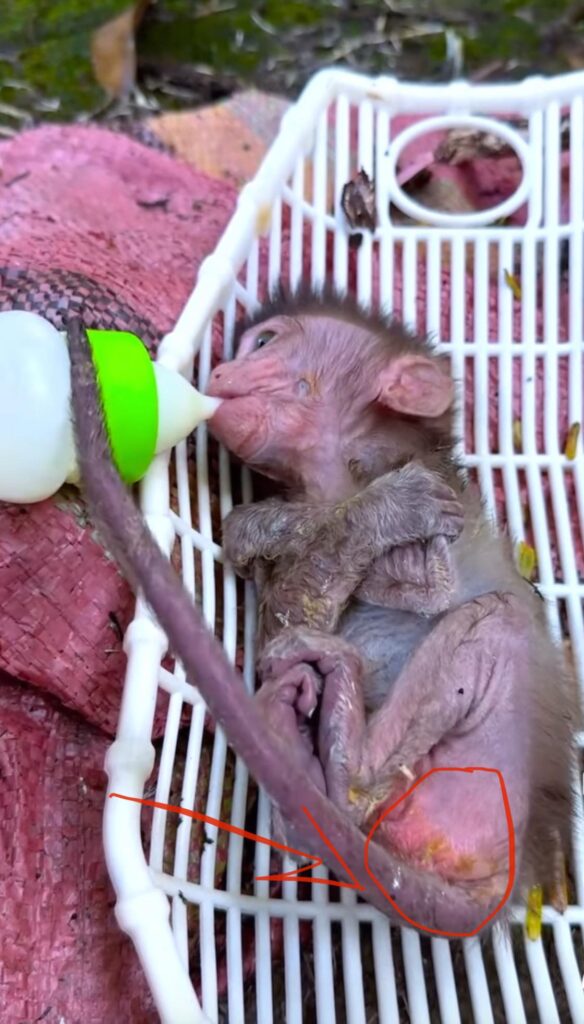
At birth, baby monkeys rely entirely on their mother’s milk. This milk provides all the nutrients they need for growth, brain development, and immune protection. For the first few months—usually up to 2 or 3 months old—milk remains their primary and often only source of food. During this time, their digestive systems and teeth are not developed enough to handle solid foods like fruit.
Around 3 to 4 months of age, many baby monkeys begin to show interest in solid foods. They may watch their mothers eat, reach for food, or mouth small pieces. At this stage, they might taste soft fruits such as bananas, papaya, or ripe mango, but milk is still the main part of their diet. These early fruit experiences are more about learning than nutrition.
By about 5 to 6 months old, baby monkeys can eat fruit more regularly. Their teeth are stronger, and their digestive systems are better able to process natural sugars and fiber. Even then, fruit is usually given in small, soft pieces and often shared directly by the mother. Breastfeeding often continues alongside solid foods until 8 to 12 months of age, depending on the species.
In the wild, this gradual transition helps baby monkeys learn which foods are safe to eat and how to forage properly. In captivity, caretakers follow similar timelines, offering age-appropriate fruits while ensuring proper nutrition.
In summary, most baby monkeys can start eating fruit at around 3 to 4 months old, with fruit becoming a regular part of their diet by 5 to 6 months, while mother’s milk remains essential throughout early development.