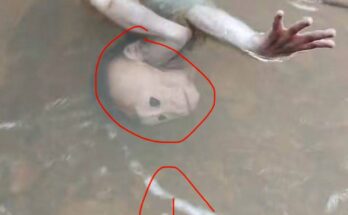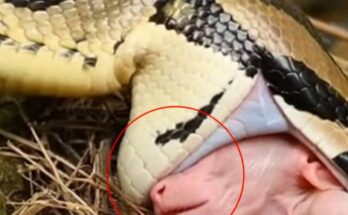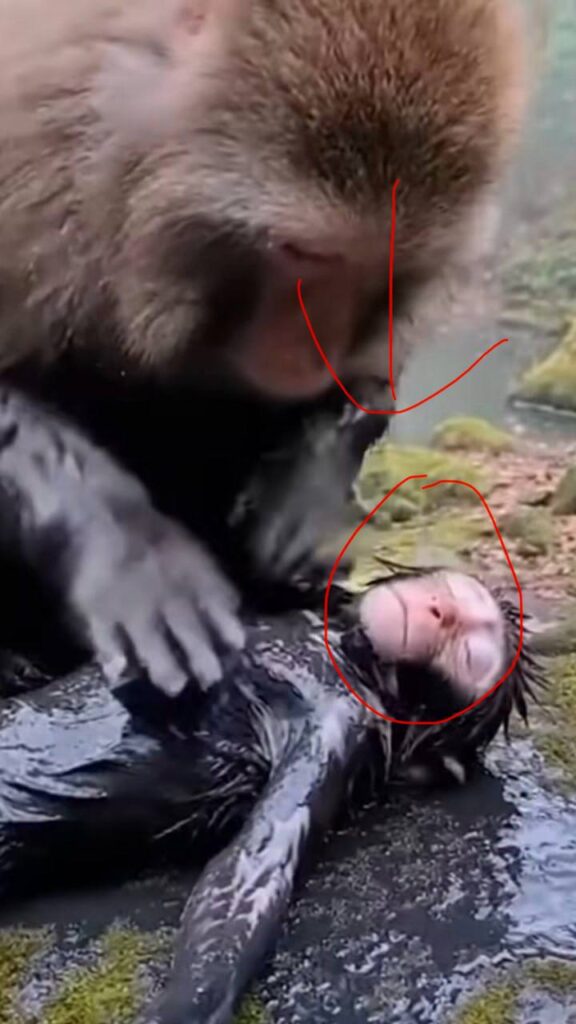
A baby monkey is gently placed inside a small cage by its mother, unaware of the reason behind her actions. The young monkey clings to the bars, confused and frightened, calling out softly as it watches her step away. To the outside eye, the moment seems harsh and heartbreaking, but the mother’s decision is not driven by cruelty—it is guided by instinct and survival.
In the wild, danger is everywhere. Predators lurk, food is scarce, and only the strongest and smartest survive. The mother knows that her child must learn independence early. The cage is not meant to punish, but to protect and teach. Inside, the baby monkey begins to explore its surroundings, learning patience, observation, and self-reliance for the first time.
Hours pass, and the baby’s fear slowly turns into curiosity. It tests its strength, grips the bars, and studies the world beyond the cage. The mother never truly leaves. From a distance, she watches closely, ready to act if real danger appears. Her eyes reflect both concern and determination, knowing that growth often requires discomfort.
This moment marks a turning point in the baby monkey’s life. It is a lesson about resilience, trust, and the difficult choices parents must make for the future of their children. Though separation is painful, it prepares the young monkey for the realities of life beyond safety and comfort.
In time, the cage will open, and the baby will emerge stronger, wiser, and more prepared to face the world. What seems like abandonment is, in truth, an act of love—one shaped by nature’s unforgiving rules.