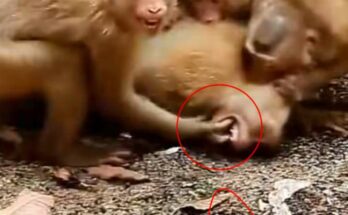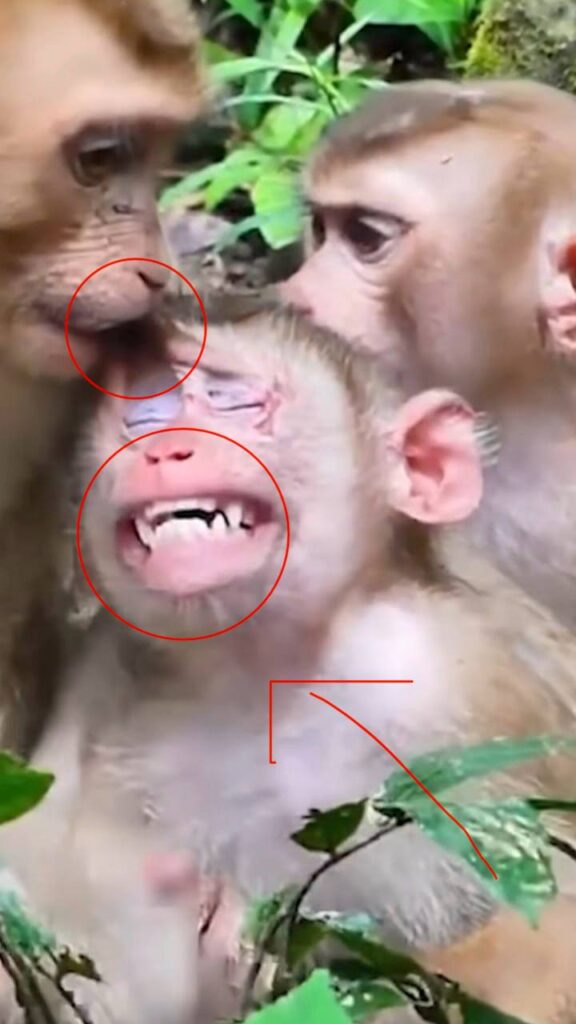
When captive monkeys are released into the wild, the moment may look like a happy ending—but in reality, it is often the beginning of a difficult journey. Releasing a monkey back into its natural habitat is a complex process that requires preparation, patience, and careful monitoring. Without the right support, many captive monkeys struggle to survive in the wild.
One of the biggest challenges for captive monkeys is survival skills. Monkeys raised in captivity—whether in zoos, research facilities, or as pets—often grow up with humans providing food and protection. In the wild, they must find their own food, recognize edible plants, hunt insects, and avoid poisonous items. A monkey that has never learned these skills may have trouble feeding itself. As a result, some released monkeys become malnourished or starve.
Another major challenge is avoiding predators and dangers. In captivity, monkeys live in controlled environments where predators are absent. But in the wild, they must constantly stay alert. Predators such as large birds, snakes, and wild cats can pose serious threats. Monkeys that lack experience recognizing these dangers may not react quickly enough to escape.
Social integration is also a critical issue. Most monkeys are highly social animals that live in groups with complex hierarchies. Captive monkeys often grow up isolated from natural troops or interact mostly with humans. When released, they may have difficulty communicating with wild monkeys or understanding social rules. Wild groups might reject newcomers or act aggressively toward them. This can leave released monkeys alone, which reduces their chances of survival.
Health problems can also appear after release. Captive monkeys might carry diseases that could spread to wild populations, or they may lack immunity to diseases found in the wild. In addition, captive diets and limited exercise sometimes lead to weaker muscles or health conditions that make it harder to adapt to forest life.
Because of these risks, wildlife experts usually follow a rehabilitation process before releasing captive monkeys. In wildlife rescue centers, monkeys are gradually trained to develop natural behaviors. They learn how to forage for food, climb effectively, and interact with other monkeys. Caretakers reduce human contact so the animals become less dependent on people.
In many cases, monkeys are first placed in a semi-wild enclosure inside a forest. This environment allows them to practice survival skills while still receiving limited support. Only after they show strong independence are they fully released.
Even after release, conservation teams often monitor the monkeys using tracking devices or observation. This helps researchers understand how well the animals adapt and whether they join wild groups successfully.
When done carefully, releasing captive monkeys into the wild can be incredibly successful. Many rehabilitated monkeys learn to survive, form social bonds, and even raise young in their natural habitats. These success stories prove that with proper rehabilitation and protection, captive monkeys can regain their place in the wild.
However, the process also highlights an important lesson: wildlife belongs in the wild. Preventing illegal pet trade, habitat destruction, and wildlife trafficking is the best way to ensure that monkeys never have to face the difficult journey from captivity back to freedom. 🌿🐒