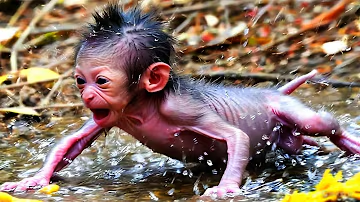
monkeys — especially babies — were often left orphaned, injured by traps, or captured for illegal trade. Witnessing the suffering firsthand, the team decided to take action.
They started modestly, converting a small, shaded backyard into a temporary sanctuary. With limited resources but boundless love, they began nursing wounded monkeys back to health. One of their earliest rescues was a baby macaque named Dara, found clinging to the lifeless body of her mother who had been hit by a motorbike. Malnourished and traumatized, Dara refused to eat or interact. The rescuers took turns cradling her, mimicking a mother’s warmth. Over time, she began to respond, regaining trust and eventually learning to play and climb again.
Word of their efforts spread through local communities and online platforms. Support trickled in. Soon, the team expanded their operations, building proper enclosures, hiring veterinary support, and educating the public on coexistence with wildlife. Each rescue became a testament to the monkeys’ resilience and the team’s unwavering dedication.
Another unforgettable case was Vannak, a juvenile monkey who had been kept as a pet in a cramped cage. When he was surrendered, his limbs were weak from lack of exercise, and his spirit seemed broken. It took months of careful physical therapy and companionship from other rescued monkeys for Vannak to regain his natural instincts. The first time he leapt across a tree branch at the sanctuary, the volunteers cried tears of joy.
What sets this Cambodian rescue effort apart is its deep respect for the cultural significance of monkeys in the region. Rather than treating them as pests or merely wildlife, the rescue sees them as living symbols of the environment’s balance and beauty. Their approach is not just about saving animals — it’s about restoring harmony between nature and people.
Today, the sanctuary is home to over 60 monkeys, each with a story of hardship and hope. Many have been released back into the wild, while others who can’t survive on their own live safely under the team’s care. The project has inspired similar efforts across Southeast Asia and is a shining example of how empathy can transform lives — both human and animal