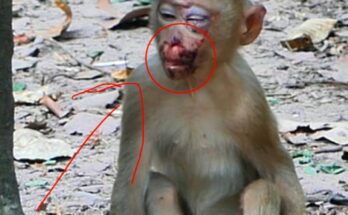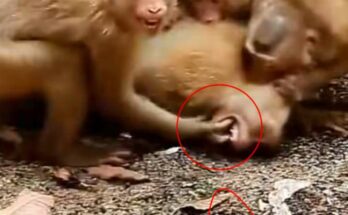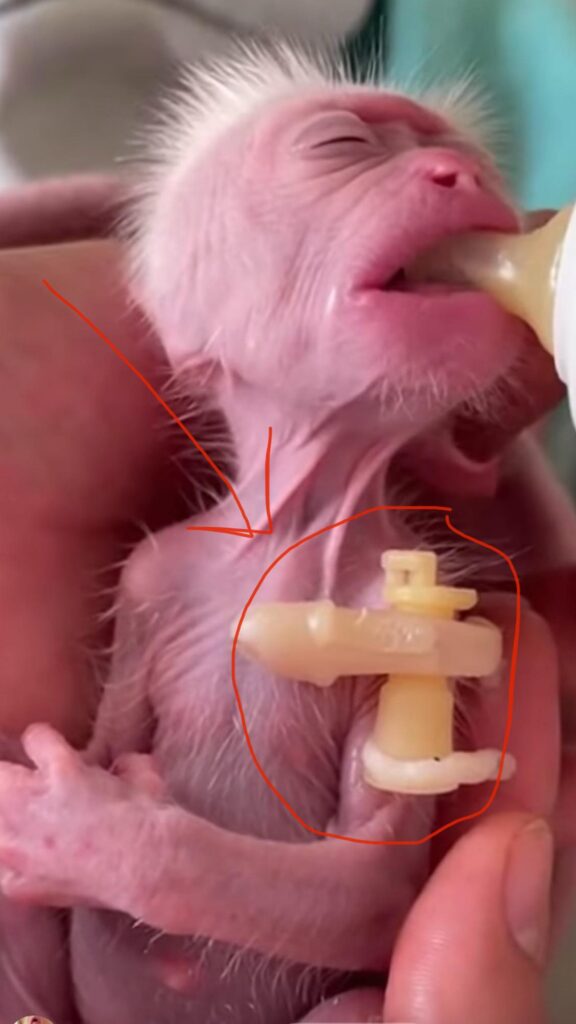
Keeping newborn monkeys healthy requires careful attention, patience, and knowledge. The earliest weeks of a monkey’s life are the most delicate, as their bodies and immune systems are still developing. Whether in a sanctuary, rescue center, or research-approved environment, proper care during this stage plays a major role in survival and long-term well-being. By focusing on nutrition, hygiene, medical care, and emotional support, caregivers can significantly improve outcomes for newborn monkeys.
Proper Nutrition and Feeding
Nutrition is the foundation of health for newborn monkeys. In natural settings, mother’s milk provides all the essential nutrients, antibodies, and hydration a newborn needs. When the mother is present and healthy, uninterrupted nursing should be encouraged. If the baby is orphaned or rejected, a veterinarian-approved milk formula specifically designed for primates must be used. Feeding schedules should be frequent and consistent, as newborn monkeys have small stomachs and high energy needs. Overfeeding or improper formula can cause digestive problems, so careful measurement and monitoring are essential.
Maintaining a Clean and Safe Environment
Newborn monkeys are highly vulnerable to infections. Their living space must be kept clean, warm, and dry at all times. Bedding should be changed regularly, and feeding equipment must be sterilized after each use. Temperature control is especially important, as newborn monkeys cannot regulate their body heat well. A warm, quiet environment helps prevent stress and illness during this critical stage.
Regular Health Monitoring
Daily observation is one of the most effective methods of keeping newborn monkeys healthy. Caregivers should monitor feeding behavior, activity levels, weight gain, and waste output. Any signs of weakness, diarrhea, difficulty breathing, or unusual behavior should be addressed immediately. Early detection of health issues allows for faster treatment and better recovery outcomes.
Veterinary Care and Preventive Measures
Routine veterinary checkups are vital, even when the newborn appears healthy. A veterinarian experienced in primate care can assess growth, hydration, and development while recommending preventive treatments such as parasite control or vaccinations when appropriate. Caregivers should never attempt medical treatments without professional guidance, as newborn monkeys are extremely sensitive to medications.
Emotional Care and Social Bonding
Emotional well-being is just as important as physical health. Newborn monkeys rely heavily on comfort, warmth, and bonding. When the mother is absent, gentle handling, soft materials, and consistent caregiving routines can help reduce stress. Social interaction, when appropriate and safe, supports normal behavioral development and emotional stability.
Hygiene and Caregiver Safety
Proper hygiene protects both the monkey and the caregiver. Hands should be washed before and after handling, and protective measures should be used to prevent disease transmission. Healthy caregivers contribute to a healthy environment for newborn monkeys.
Conclusion
Keeping newborn monkeys healthy requires a balanced approach that combines proper nutrition, cleanliness, medical care, and emotional support. With attentive caregiving and professional veterinary guidance, newborn monkeys can grow stronger each day and develop into healthy, thriving individuals. Early care is not just about survival—it shapes the quality of life for years to come.